You’ve been lifting. Running. Doing the work.
But you still don’t know if you’re actually getting fitter.
That scale number? It lies. And your mirror doesn’t tell the full story either.
I’ve built training programs for people at every level. Every single one started with the same thing: real measurements. Not guesses.
How to Check Body Fitness Thespoonathletic is how we do it.
No fancy gear. No gym membership required.
Just five simple tests you can run at home this afternoon.
I’ve used these exact methods for years. They’re the foundation (not) the fluff.
You’ll walk away knowing exactly where you stand.
And more importantly, where to go next.
Why the Scale Lies: It’s Not Your Enemy (It’s) Just Dumb
I step on the scale every Monday. And I still hate it.
It tells me one thing. Weight. That’s it.
No context. No story. Just a number pretending to mean something.
Your body isn’t a sack of flour. It’s muscle, fat, bone, water (and) those shift daily. You can gain two pounds of muscle, lose three of fat, and the scale says “+1”.
Congrats. You just got leaner and stronger. But the number made you feel like you failed.
That’s why relying only on weight is like judging a car’s performance by its paint job. (Spoiler: A red Camry won’t beat a blue Mustang.)
I’ve watched clients panic over a 3-pound jump after leg day. Water retention. Inflammation.
Normal. Human. Not failure.
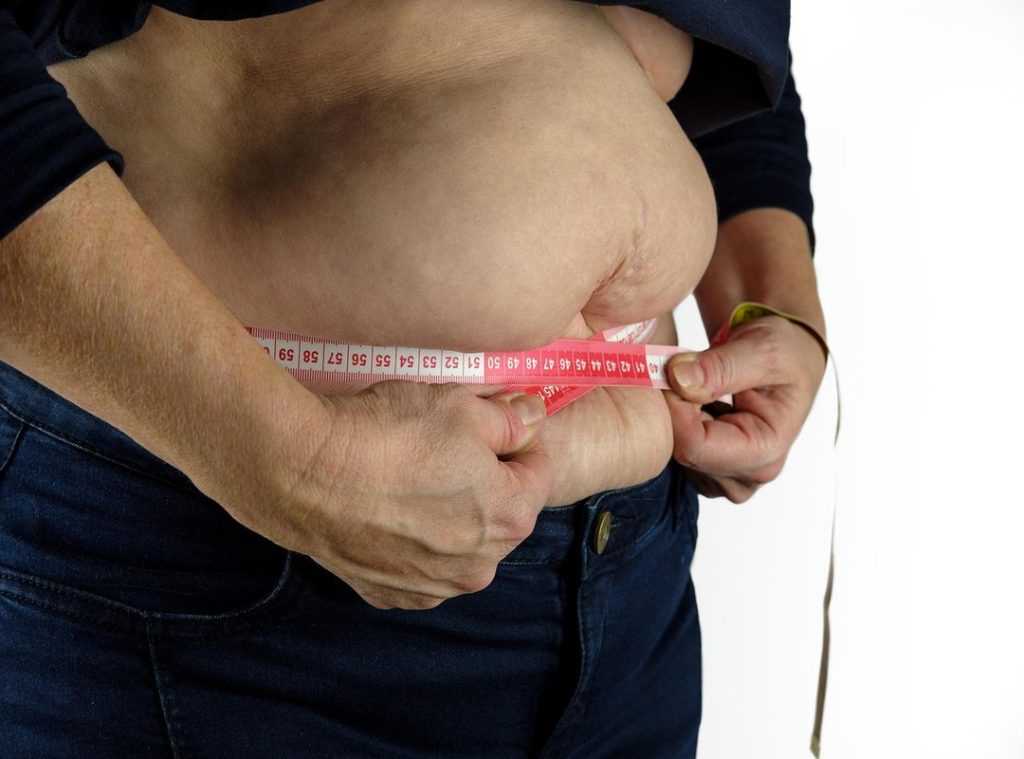
So how do you actually track progress? Measure waist circumference. Take photos.
Test strength (can) you lift more? Do more push-ups? Notice your clothes fitting better?
This guide walks through real ways to assess fitness. Not just weight. learn more
How to Check Body Fitness Thespoonathletic? Stop staring at the scale. Start watching what your body does.
You already know this. You just needed permission to trust it.
The Five Real Pillars of Fitness (Not the Fluff)
I used to think fitness was just about looking good in a T-shirt.
Then I got winded walking up two flights of stairs. And pulled my back lifting a suitcase.
That’s when I stopped trusting gym bros and started measuring what actually matters.
Cardiovascular endurance is your heart and lungs doing their job (not) how fast you run, but whether you can keep going. It keeps your blood pressure down and your brain sharp. Sitting all day kills this faster than most people admit.
Muscular strength? That’s how much you can lift once. Like heaving a couch or catching a falling shelf.
Not sexy. But important.
Muscular endurance is different. It’s how many push-ups you can do before your arms quit. Or how long you can hold a plank.
Strength gets attention. Endurance keeps you functional.
Flexibility isn’t about touching your toes. It’s whether your shoulders let you reach into the back seat without wincing. Or if your hips let you squat to pick up your kid.
Tight joints cause injuries (no) debate.
Body composition tells you what’s under the skin. Fat mass vs. lean mass. Not weight.
Not BMI. Just facts. You can be “normal weight” and still carry too much fat.
And that’s dangerous.
How to Check Body Fitness Thespoonathletic? Start there. Not with a scale.
Not with a mirror.
Measure one thing at a time. Use a tape measure. Do a wall sit test.
Time a 1-mile walk. Track push-up reps. Get a DEXA scan if you can afford it.
Skip the apps that guess your body fat from wrist size. They’re wrong. Always.
You don’t need perfection. You need honesty.
And consistency.
I go into much more detail on this in Fitness Tip of.
Most people fail because they chase one pillar while ignoring the other four.
I did it too.
Don’t be me.
Your At-Home Fitness Assessment: 4 Tests You Can Do Right Now
I did these tests last Tuesday. In my socks. On my kitchen floor.
You don’t need gear. You don’t need a trainer. You just need three minutes, a wall, and a ruler.
Let’s get real about what “fitness” actually means. Not what Instagram says, but what your body tells you today.
Cardiovascular Test: Grab a step or sturdy box about 12 inches high. Set a metronome app to 96 beats per minute. Step up-down-up-down for three full minutes.
No cheating. When the timer stops, sit down immediately and take your pulse for 15 seconds. Multiply by four.
That number is your recovery heart rate. Lower is better. (Mine was 88.
Not great. I’m working on it.)
How to Check Body Fitness Thespoonathletic starts here. With raw data, not vibes.
Muscular Endurance Test: Standard push-up form only. Hands under shoulders. Body straight.
No sagging hips. No butt in the air. Go until you break form (not) until you’re tired.
Count every clean rep.
Men aged 30 (39?) Average is 17. Women in that group? 11. If you hit 30+ push-ups, you’re ahead of most gym-goers I know.
Core Endurance Test: Forearms on floor. Elbows under shoulders. Legs straight.
Toes tucked. Hold. No rocking.
No holding your breath. Just hold.
Beginner goal: 60 seconds. Intermediate: 120. Advanced: 180+.
I held 142 last week. My lower back screamed at second 138. (Worth it.)
Flexibility Test: Sit barefoot with heels against a wall. Legs straight. Reach forward slowly (no) bouncing (and) measure how far your fingertips go past your toes.
Use a ruler taped to the floor.
If you can’t reach your toes, that’s normal. If you touch them, you’re average. If you go past by 4 inches?
I post one new test like this every day. The Fitness tip of the day thespoonathletic keeps it simple. No fluff.
You’re flexible. If you’re short by 6+, mobility work is non-negotiable.
Just doable.
You don’t need motivation. You need data.
Do these today. Write down your numbers.
From Numbers to Action: What Your Results Actually Mean
A single test is just a snapshot. Not a verdict. Not a life sentence.
You’re not measuring who you are. You’re measuring where you are right now.
Track your numbers. Use a notebook. Or a spreadsheet.
Doesn’t matter (just) write them down.
Because progress hides in the comparison. Not the first number. The third.
The sixth.
Re-test every 4 to 6 weeks. That’s enough time for real change. But not so long that you lose momentum.
If your push-up count is low? Add chest and tricep work. Not more crunches.
Not random planks. Targeted movement.
That’s how data becomes action.
How to Check Body Fitness Thespoonathletic starts with honesty (and) ends with adjustment.
Need help picking the right follow-up moves? The Thespoonathletic Advice Guide walks you through it step by step.
Your Fitness Data Is Yours to Own
I’ve been there. Staring at the mirror. Wondering if all that sweat means anything.
You don’t need a lab or a personal trainer to know where you stand.
How to Check Body Fitness Thespoonathletic gives you real numbers. Not guesses.
No more hoping. No more comparing yourself to someone else’s highlight reel.
You want proof your effort matters. You want to see progress (even) small wins.
That starts with one test. Just one.
The plank. The step test. Any of them.
Do it this week. Time it. Write it down.
That’s your baseline.
Not tomorrow. Not Monday. This week.
Because waiting for “perfect conditions” is how months slip away.
Your body doesn’t lie. But you have to ask it the right question.
So ask it now.
Pick one. Do it. Then come back and do it again in 30 days.
You’ll feel the difference before you see it.