
Why Recovery Makes or Breaks Progress
The Science of Muscle Repair and Growth
Recovery isn’t just a break from training it’s a critical phase where real strength gains happen. After resistance training, your muscle fibers undergo microscopic damage. The body then initiates a repair process involving:
Inflammatory response: This signals the body to begin tissue healing.
Protein synthesis: Muscles rebuild stronger if recovery conditions (like sleep and nutrition) are optimal.
Neurological reset: The central nervous system recharges, improving coordination and performance.
Failing to support this repair cycle can mean diminished strength returns and an increased risk of injury.
Strength Is Built Between Sessions
Progress doesn’t come from lifting weights alone it’s built between sessions when the body has time to repair and adapt. Training hard without adequate recovery:
Limits muscle growth (hypertrophy)
Stagnates strength adaptation
Increases fatigue and risk of overtraining
Recovery, therefore, isn’t optional. It’s where the real physiological transformation takes place.
Signs You’re Under Recovering
How do you know if you’re doing too much and not recovering enough? Watch for these red flags:
Plateaued or declining strength
Disturbed sleep or elevated resting heart rate
Unusual soreness that lingers beyond 72 hours
Lack of motivation or increased irritability
Frequent minor injuries or joint discomfort
If these symptoms sound familiar, your body might be signaling for more rest not more reps.
Understanding recovery at the physiological level is the first step toward smarter training. In the next section, we’ll break down proven recovery tactics you can use to bounce back faster and build strength more effectively.
Key Recovery Tactics That Actually Work
Recovery isn’t hype it’s programming. The basics matter most, and they’re non negotiable if your goal is to keep pushing stronger training blocks.
Sleep as your #1 anabolic tool
If your sleep’s off, nothing else you do will fully land. This is when your body does the bulk of its repair work spiking growth hormone, repairing muscle fibers, resetting your nervous system. You want quantity and quality. Seven hours is a floor, not a goal. Get dark, get cool, and stay off screens an hour before bed. If you train hard, prioritize sleep like it’s lifting itself.
Nutrition timing: protein, carbs, and hydration
Your fuel window isn’t just pre and post workout it’s everything from 24 hour nutrition to simple hydration. After training, think about hitting fast absorbing carbs with protein (3:1 ratio works well for most). That means something like white rice and lean meat, or a recovery shake with protein and banana. And keep water flowing throughout the day. Dehydration tanks performance and recovery faster than you think.
Active recovery vs. total rest: when to choose what
Total rest has its place especially after heavy lifts or when you’re beat up. But active recovery keeps blood flowing and helps break up soreness without burning into reserves. Low intensity mobility sessions, a walk, or a light bike ride do the job. Learn to listen: if you’re sore but not wrecked, move. If you’re fried, stop.
Prioritizing mobility and soft tissue work
Most lifters skip this until something hurts. Don’t. Mobility work (like targeted joint routines or controlled articular rotations) and soft tissue releases (foam rolling, massage balls) help you move better and keep your body in the game longer. Make it part of your warm up or tack it onto the back end of training. Just don’t treat it like an afterthought.
Recovery isn’t passive it’s built into your system. These four tactics are your base.
What Athletes Get Wrong About Recovery
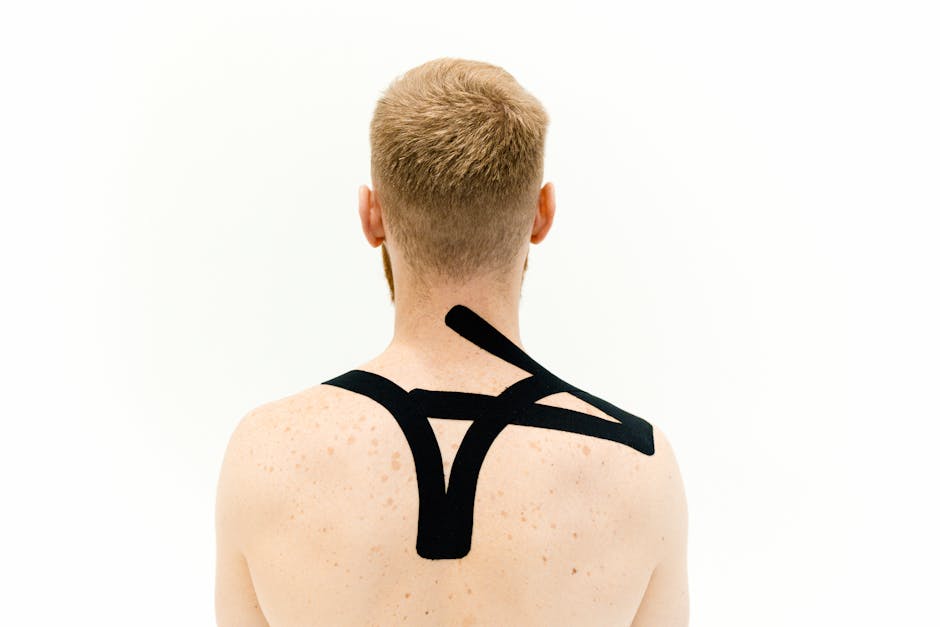
“No days off” sounds hardcore, but it’s also one of the fastest ways to derail your progress. Muscles don’t grow when you train they grow when you recover. Deny your body that downtime and you’re grinding the gears without ever shifting.
Over programming is another trap. More isn’t better if your body can’t keep up. Lifting heavy six days a week might look good on paper, but when sleep tanks and joints ache, your strength gains stall. Worst case? Injury.
And mental recovery? Most people ignore it completely. Chronic stress, scattered focus, and low motivation are all signs your nervous system needs a break just like your muscles do. You’re not just building a stronger body; you’re trying to keep your head in the game too.
Recovery isn’t a luxury. It’s part of the program. Treat it like training, or you’ll burn out chasing what could’ve been.
Tools and Systems to Speed Up Regeneration
Let’s start with recovery gadgets. Cold therapy ice baths, cryo chambers, cold plunges is hot right now. Truth is, it’s useful, but not magic. It might help reduce inflammation short term, especially during a heavy training cycle, but don’t expect it to build you new PRs overnight. Compression gear and massage tools can speed up blood flow, which feels good and may help recovery if used regularly. If not, it’s just expensive stretching.
Tracking is where things get smart. HRV (heart rate variability) does give a window into how your system’s holding up. Combine that with sleep tracking whether it’s via apps, wearables, or just honest journaling and you start seeing patterns. Subjective recovery scores (how fresh you feel) matter just as much. You’re not a robot. Use both data and instinct.
Finally: deloads and rest days. If you’re waiting until you’re wrecked to program a break, you’re behind. Smarter recovery means strategic deloads built into your cycle lower volume, lower intensity, active movement. Same goes for full rest days. Schedule them. Stick to them. Training breaks are not slacking they’re when the growth gets locked in.
Build a Repeatable Recovery Routine
Here’s a sample weekly protocol strength athletes can use as a recovery baseline:
Monday Light mobility work (15 20 minutes), walk or light cardio (20 30 minutes), prioritize hydration, and sleep minimum 8 hours. If you trained heavy the day before, consider contrast showers or light compression therapy.
Tuesday Train. Post session, use 10 minutes for stretching or foam rolling. Recovery nutrition within 60 minutes. Sleep and down regulation (e.g., no caffeine past noon, limit screens after 9 p.m.).
Wednesday Optional active recovery: cycle, swim, hike keep it fun and low intensity. Finish with breath work or guided relaxation.
Thursday Train. Same post session rhythm: nutrition, mobility, basic cooldown. Sleep habits stay tight.
Friday Rest or lightly train technique. Add massage or mobility if soreness is building up.
Saturday Train. Prioritize heavy hydration post session. Evening recovery ritual: stretching, quiet, and early sleep.
Sunday Full rest or recreational movement (shoot hoops, walk with friends, etc.). This is your reset day mentally and physically.
Now, personalize:
High stress lifestyle? Swap one training day for active recovery.
Poor sleep? Recovery takes priority over load.
Older athlete? You might need more soft tissue work embedded into each session or longer cooldowns.
Sustainability matters more than squeezing in quick fixes. Don’t fall for the hype about cold plunges or biohacking unless you’ve already mastered the basics. Strong recovery shouldn’t feel like another job it should support you showing up, consistently.
Dive deeper with these recovery strategies for athletes.
Wrap Up: The Edge Is in the Recovery
The truth is, recovery doesn’t need to be flashy it just needs to be consistent. Small changes, like dialing in your sleep or taking the time to walk on your off days, add up. A good recovery strategy isn’t about overhauling your life overnight. It’s about stacking subtle, smart habits that keep you training harder, longer, and safer.
Respecting recovery means respecting your training. If you’re serious about strength, you can’t treat your down time like an afterthought. Recovery is not the pause between workouts it’s the process that makes the next session possible. Ignoring it? You’re gambling with your gains.
And let’s be clear: taking a rest day doesn’t mean you’re lazy. It means you understand how growth works. Muscles rebuild in the quiet. Energy resets when you step back. The strongest athletes don’t just lift heavy they recover with purpose.
For even more science backed insight into this topic, read our full guide on recovery strategies for athletes.