

Why Food Still Leads the Immune Conversation
Nutrition isn’t just a wellness trend it’s the first line of defense. The immune system runs on what you feed it, literally. Cells need energy and nutrients to detect threats, communicate, and regenerate. Without the right fuel, the system stalls. That’s why food has stayed at the center of immune health talk, no matter how many flashy supplements or hacks surface.
The science stays steady: what you eat affects how your immune system performs. Studies keep backing this up. A balanced, nutrient dense diet helps reduce inflammation, supports gut health, and strengthens your response to infection. And no, you don’t need goji berry dust in your smoothie to get there.
The real move is understanding the difference between functional foods and passing fads. Fermented goods, leafy greens, healthy fats, and high fiber staples? That’s function. A pink latte with mushroom foam, touted as a “superfood immunity bomb”? That’s trend. One works for your immune system long term. The other works for social media.
When in doubt, eat real food. Often. With purpose.
Core Nutrients That Power Immunity
Vitamin C isn’t just about oranges. In fact, red bell peppers pack nearly three times the vitamin C of a standard orange. Broccoli deserves a spot in the spotlight too loaded with vitamin C, plus fiber and antioxidants. These aren’t trendy picks. They’re workhorses for immune support, especially under stress or during seasonal colds.
Zinc is another underrated heavy hitter. It’s essential for developing immune cells and coordinating how they respond to threats. You’ll find it in legumes like chickpeas, lentils, and beans, as well as pumpkin and sunflower seeds. It’s not flashy, but it’s fundamental.
Vitamin D is the one most people are still missing, especially in winter. It works like a hormone, helping regulate immune response and rates of deficiency are high across the board. Fatty fish, eggs, and fortified foods help, but sunlight is the top source. If you’re not getting outside enough, talk to a doctor about supplementation.
Antioxidants are your body’s cleanup crew. They reduce inflammation and help cells recover from stress and illness. Berries are packed with them. So is dark chocolate just skip the sugary versions. Leafy greens like spinach and kale deliver steady doses without the blood sugar crash.
In short, these nutrients aren’t fringe they’re the base layer. Think of them as maintenance fuel for your immune engine.
Whole Foods with Proven Benefits
Some foods don’t just feed you they help defend you. Fermented foods like yogurt, kefir, and kimchi support a more diverse microbiome, which matters because over 70% of your immune system lives in your gut. A strong gut barrier and balanced gut flora help you digest, absorb, and respond to potential threats better.
Garlic and onions earn their keep too. Both are packed with sulfur containing compounds that act like nature’s antibiotics helping your body fight off viruses and bacteria before they take hold. Yes, they smell a bit strong, but in terms of immune punch, they’re hard to match.
Then come the mushrooms. Not just any fungi, either shiitake, maitake, and reishi all contain beta glucans, which research links to strong immunomodulatory effects. These compounds essentially train immune cells to respond more effectively, without tipping into overreaction.
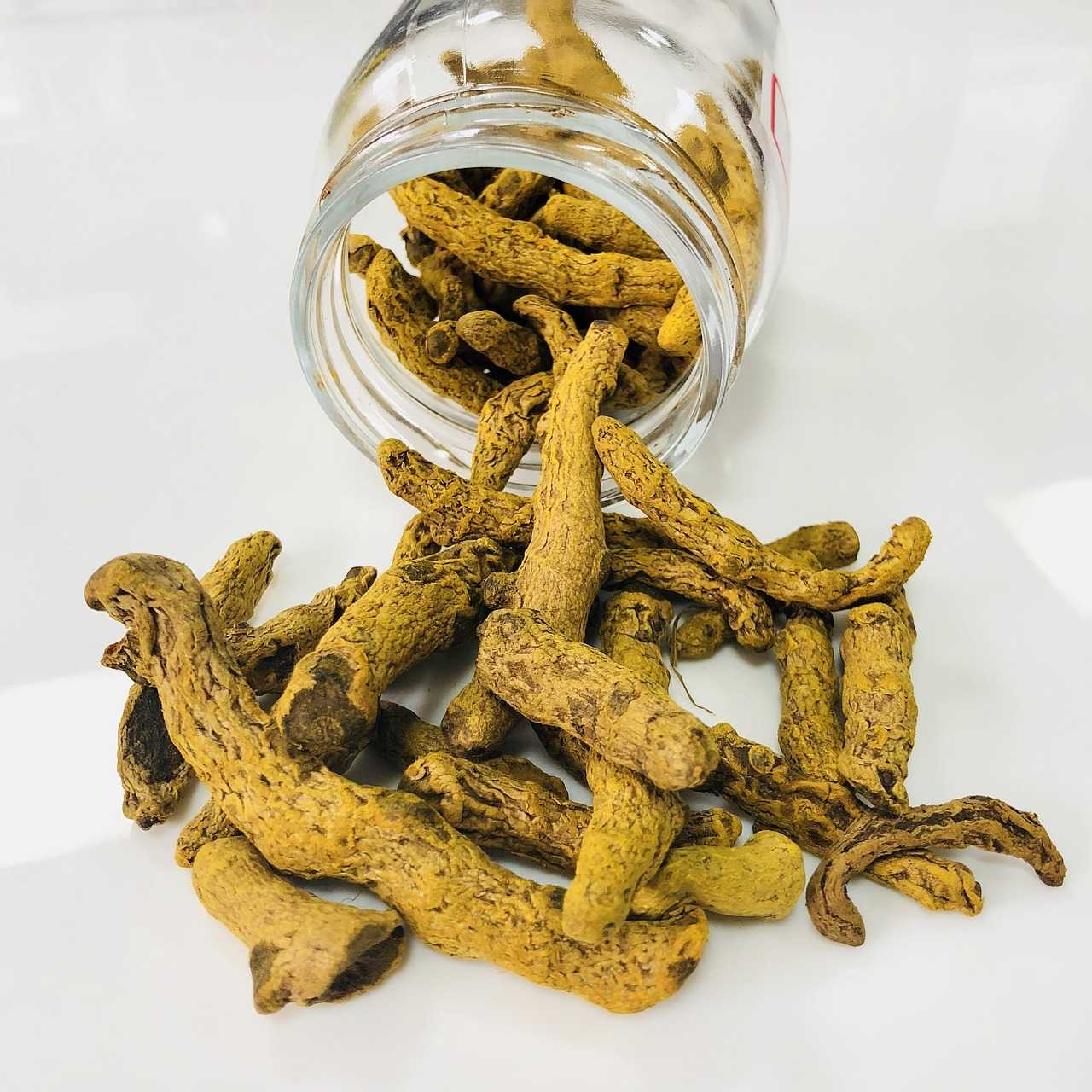
Last but not least, ginger and turmeric. These staples have been used forever in traditional medicine, and modern clinical trials are catching up, especially on curcumin (from turmeric) and gingerol (from ginger). They don’t just soothe they lower key markers of systemic inflammation, which helps your immune system stay focused where it matters.
Keep these in real meals, not capsules if you can. The data says whole foods work best when they’re part of actual diets not sprinkled in as fixes.
What Recent Studies Actually Show
Polyphenols found in foods like berries, tea, red onions, and dark chocolate aren’t just antioxidants. Recent research links these plant compounds to a reduced risk of viral and bacterial infections. They support the immune system by modulating inflammation, supporting gut health, and promoting the growth of beneficial microbes.
A high fiber, plant forward diet is more than good digestion. Fiber fuels the gut microbiome, which directly influences immune regulation. Soluble and insoluble fibers found in legumes, whole grains, vegetables, and fruits help train immune cells to respond appropriately to threats without tipping into chronic inflammation.
Diet diversity also matters. A broader range of whole plant foods means more exposure to different nutrients and prebiotics that feed diverse gut flora. In turn, this diversity helps strengthen the gut immune axis, that communication line between what you eat and how resilient your immune system is.
The takeaway? A colorful, fiber rich plate supports immunity in ways a supplement can’t always match. For more science backed insights, explore the latest immune boosting foods.
Smart Habits That Maximize Food Based Benefits
Getting your immune system to fire on all cylinders isn’t just about eating more kale or downing a vitamin C packet. It’s about everyday food habits that support your body over the long haul. Start with the basics: balancing macronutrients protein, fats, and carbohydrates while packing your meals with micronutrient rich foods. Think: leafy greens, legumes, nuts, wild caught fish, and bright colored vegetables. It’s not sexy, but it works.
Meal timing is another factor that still doesn’t have a simple answer. Some studies show potential benefits of intermittent fasting, but the jury’s still out when it comes to immune support. For many, eating regular, balanced meals throughout the day supports more stable blood sugar and consistent nutrient intake both good news for your immune function.
Then there’s ultra processed food. Skip it where you can. These foods tend to be stripped of natural fiber, pumped with additives, and linked to chronic inflammation the exact opposite of what your immune system thrives on. Whole food meals, even the simple ones, give your body tools it actually knows how to use.
Final Notes on Staying Nutritionally Ready
There’s no magic food that flips a switch and makes your immune system invincible. What actually works? Simple habits, repeated daily. Eating a variety of real foods. Getting enough daylight. Sleeping. Hydrating. Then doing it again the next day.
Supplements can help, especially if you’re deficient in something important like vitamin D or zinc. But they’re not a substitute for whole foods. The foundation still starts on your plate, not in a bottle.
The science is moving fast new studies highlight the role of gut health, polyphenols, and antioxidants but the fundamentals haven’t changed much. A diet that’s mostly plants, high in fiber, and full of color is still your best bet.
Check out the full breakdown of latest immune boosting foods for deeper insights.