
You wake up and swing your feet off the bed.
That first step? A knife in your heel.
I’ve seen it a hundred times. Same wince. Same limp.
Same frustration when stretching doesn’t fix it by Tuesday.
Pavatalgia is sharp, localized heel pain. Not just “plantar fasciitis lite.” It’s real. It’s stubborn.
And it overlaps with plantar fasciitis sometimes, but not always.
So why does it keep coming back?
Because most advice treats symptoms, not load tolerance. Or worse (ignores) how your body actually responds day to day.
I don’t rely on theory alone. I track what works in clinic. What patients report actually changes their pain over weeks.
Not hours.
How Can I Prevent Pavatalgia Disease isn’t about magic shoes or overnight fixes.
It’s about matching movement to tissue capacity. Tier by tier. Step by step.
No fluff. No guesswork. Just rehab science that holds up under real-world use.
You’ll get clear thresholds: when to push, when to pause, and what actually moves the needle.
This isn’t hope dressed as advice.
It’s what happens when you stop fighting your foot (and) start working with it.
What Actually Sets Off Pavatalgia Pain
I’ve watched this play out a hundred times. Someone walks in limping, says “it started overnight,” and I know exactly where to look.
Pavatalgia isn’t just “foot pain.” It’s your plantar fascia screaming for help. Usually because something’s off in how you move.
Excessive pronation? That’s your foot collapsing inward like a bent spring. Calf tightness?
It pulls the heel up and tugs the fascia like a guitar string tuned too high. And zero arch support? You’re basically asking your foot to hold up your whole body on a floppy noodle.
Standing all day on concrete? Yeah, that’s a trigger. So is jumping from zero miles to five in one run.
Worn-out running shoes are worse than no shoes. At least barefoot you feel the ground and adjust. Worn foam just lies to you.
Or wearing flat sandals (especially) the kind with zero structure and a flimsy strap that does nothing.
Inflammation shows up first (sharp,) stabbing, worst in the morning. But if it drags on? Degeneration kicks in.
That’s not “just inflammation.” That’s micro-tears stacking up like unpaid bills.
Night pain? Swelling? Fever or fatigue?
Stop. Call a doctor. Now.
Red flags mean stop guessing.
How Can I Prevent Pavatalgia Disease? Start by fixing your shoes. Not your posture app.
Pro tip: Roll a frozen water bottle under your foot for 90 seconds before standing up. Works. (And yes, I’ve done it mid-conference call.)
Ice, Nerves, and What Actually Works Today
I roll a frozen water bottle under my arch for 6 minutes. Not 5. Not 7.
Six. I time it. You should too.
Do it two or three times a day. Morning, after standing, before bed. Don’t just smash it under your heel.
That’s useless. Arch only. (Yes, it stings.
That’s the point.)
Contrast therapy? It’s not magic. But if your foot feels hot and swollen, cold wins.
If it’s stiff and achy in the morning, try warm (not) hot (for) 10 minutes first. Skip heat entirely if you have diabetes or poor circulation. Seriously.
Don’t test this.
Neural gliding for the tibial nerve: Sit tall, leg bent at 90°, foot relaxed. Slowly point and flex your toes (only) as far as you feel a gentle stretch behind the knee. Stop if it zings or burns.
That’s overdoing it.
Topical NSAIDs like diclofenac gel work faster than pills for localized pain. Oral NSAIDs can backfire if you’ve got gut issues. Acetaminophen?
It does almost nothing for nerve-driven or inflammatory foot pain. Save it for headaches.
How Can I Prevent Pavatalgia Disease? Start here (with) consistency, not hope.
You don’t need fancy gear. Just a bottle, a timer, and the nerve to stop when it talks back.
Foot Strength Isn’t Optional. It’s Non-Negotiable
I started with seated toe curls. Not because they’re sexy. Because my feet were screaming.
You probably ignore them until something hurts. Then you Google How Can I Prevent Pavatalgia Disease. And land on a page full of vague advice.
Don’t do that.
Do this instead: Week 1. Seated toe curls, 2 sets of 15. Week 2 (towel) scrunches barefoot while watching TV.
Week 3 (double-leg) heel raises off a step, slow up, slower down. Week 4. Single-leg heel raises, eyes open, then eyes closed.
That last one? That’s where intrinsic foot muscle training actually starts to matter.
Weak intrinsic muscles shift load to your plantar fascia. Every time. That’s why symptoms come back.
That’s why stretching alone fails.
Office workers? Do toe curls in your chair. Right now.
While you read this.
Runners? Swap one easy run for barefoot calf raises on grass. No shoes.
No ego.
Older adults? Stand on one leg while washing dishes. Hold the counter if you need to.
Then let go for 3 seconds. Build from there.
Adherence isn’t about willpower. It’s about pairing moves with habits you already do.
Brushing teeth? Ten toe curls. Waiting for coffee?
Five slow heel raises.
Track it with checkmarks on a sticky note. Not an app. Not a spreadsheet.
A sticky note.
And if you’re wondering how serious this gets. Or how long things might last. Check out How Long Can.
It’s not cheerful reading. But it’s honest.
I’m not sure anyone fully “fixes” foot mechanics overnight.
Shoes, Orthotics, and Your Floor: What Actually Moves the Needle
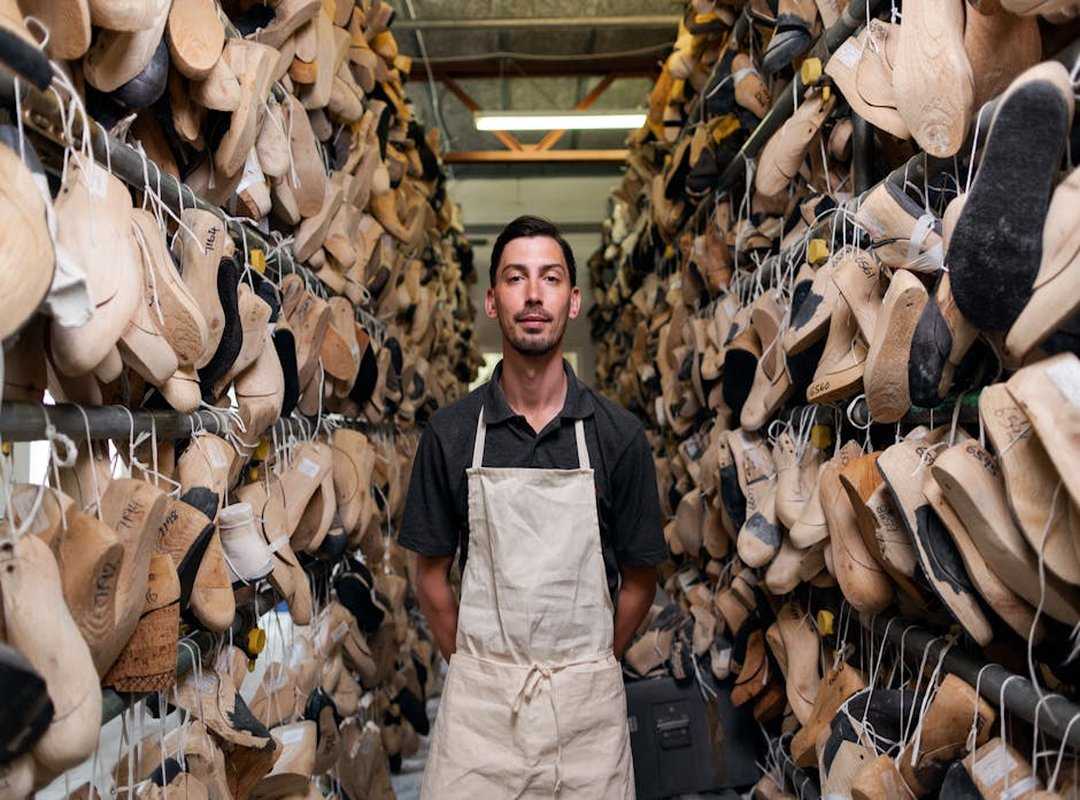
I stopped believing in “magic shoes” after my third pair of $200 “cloud comfort” sneakers collapsed under me in six weeks.
Midsole density matters more than cushion. Soft foam breaks down fast (and) gives zero support when it does. Look for EVA or Pebax with a firmness rating above 45.
The Hoka Arahi 6, Brooks Adrenaline GTS 23, and New Balance 860v13 all hit that sweet spot.
Heel-to-toe drop? Keep it between 4. 8 mm. Anything lower pulls on your Achilles.
Anything higher dumps load into your forefoot. Not ideal if you’re already dealing with foot pain.
Forefoot width is non-negotiable. If your toes pinch, nothing else fixes it. Try wide-width versions first.
No shame, no extra cost.
Off-the-shelf orthotics work fine for mild arch strain. Custom ones? Only if you’ve got structural deformity or nerve involvement.
And skip rigid devices early on (they’ll) stiffen what needs to move.
Stand on tile or hardwood barefoot? Stop. Your plantar fascia isn’t built for that.
Use anti-fatigue mats in the kitchen. Roll a small towel under your arch while sitting. It’s not fancy.
But it works.
Weight management helps because less mass = less load per step. That’s how you answer How Can I Prevent Pavatalgia Disease (reduce) demand, not just chase symptoms.
Pro tip: Replace your shoes every 300. 500 miles. Yes, even if they look fine.
When to Stop Self-Treating (and) Who to Call
I stopped guessing after my third plantar fascia flare-up. You should too.
Pain lasting more than 8 weeks, even with daily stretching and ice? That’s not stubborn. It’s a signal.
Can’t walk 10 minutes without limping? Your body is begging for help.
Waking up at 3 a.m. because your heel feels like it’s been stabbed? Sleep disruption isn’t normal. It’s data.
Notice your gait looks off in the mirror? Asymmetry isn’t subtle. It’s loud.
Don’t go to just any PT. Find a sports physical therapist with foot specialty or a podiatrist trained in biomechanics.
Skip the generic orthotics pitch. Ask: “Can you assess my windlass mechanism?”
Then: “Do you use real-time EMG or pressure mapping?”
And finally: “What’s your success rate with conservative management at 12 weeks?”
If they hesitate, walk out.
How Can I Prevent Pavatalgia Disease? Start by diagnosing it right. How to Diagnose Pavatalgia Disease Outfestfusion shows exactly how.
Start Your Symptom-Smart Routine Tomorrow
I’ve seen pavatalgia drag people down for months. It’s not about magic fixes. It’s about showing up.
Daily, consistently, layer by layer.
You need three things to start: ice massage every morning, toe strengthening before coffee, and a real footwear audit. No more guessing.
Improvement takes weeks. Not days. Setbacks happen.
They’re not failure (they’re) data.
You asked How Can I Prevent Pavatalgia Disease. The answer isn’t hidden. It’s in what you do tomorrow.
So pick one thing from section 2 or 3. Do it tomorrow morning. Mark it done.
On paper or phone. No exceptions.
Your feet carry you.
Now it’s time to carry them back.