
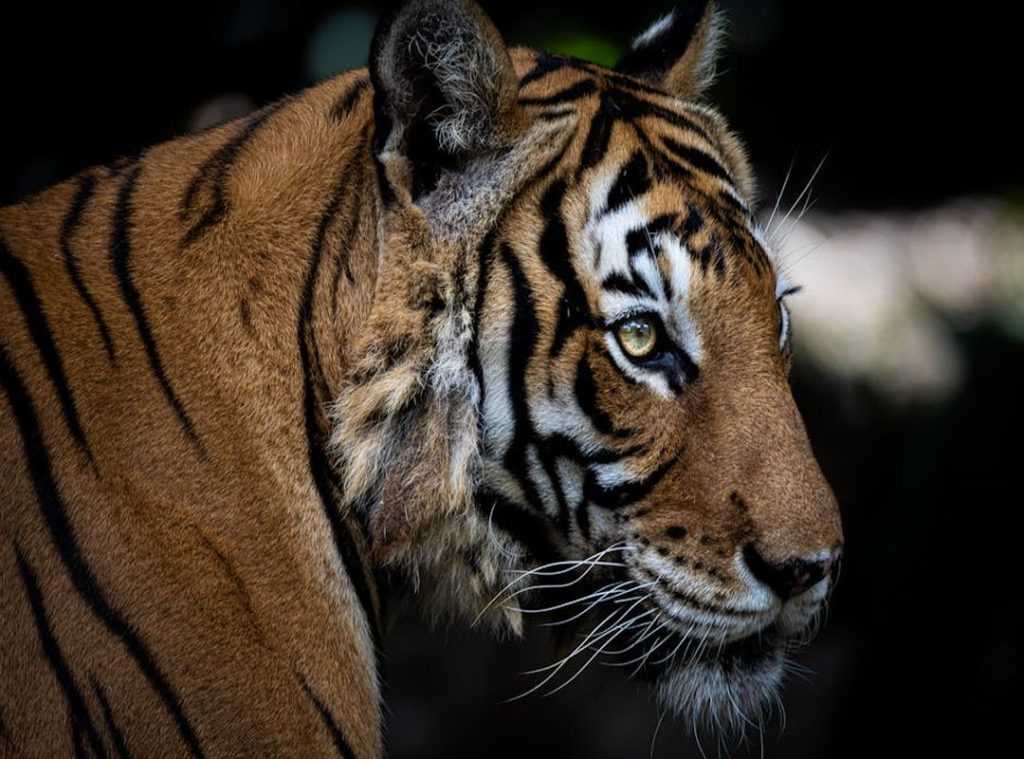
Creature training in the anime universe is a fascinating topic. It’s not just about battling and winning. It’s about the bond between the trainer and their creatures.
I’ve always been drawn to beast tamer anime kage and other characters who specialize in this art. They have unique skills that make them stand out. And it’s not just for show.
These skills often play a crucial role in their stories.
But why should you care? Well, creature training in anime can teach us a lot. It’s not just about fantasy.
There are real-life lessons here. Think about pet care, personal development, and even leadership.
This article will dive into the best-known anime characters who are beast tamers. We’ll explore their techniques and the impact they have on their worlds. More importantly, we’ll look at what we can learn from them.
So, if you’re curious about how these skills can be applied to your life, keep reading.
Understanding Creature Training in Anime
What is creature training in the context of anime? It’s a genre where characters form bonds with fantastical creatures, train them, and often battle with them. Simple, right?
Historically, this concept has evolved from early series like Pokémon to more complex narratives in beast tamer anime kage. These shows have deepened the emotional and strategic aspects of creature training.
Bonding is key. Characters who connect with their creatures on an emotional level tend to perform better. It’s all about that trust.
Discipline is another crucial element. Creatures need structure and guidance to grow and develop. Without it, they can become unruly and ineffective.
Strategic thinking rounds out the mix. Battles and challenges require careful planning and quick thinking. A well-thought-out strategy can turn the tide in any situation.
In beast tamer anime kage, these elements are often highlighted, showing how a balanced approach to training leads to success. It’s not just about winning; it’s about the journey.
Top Anime Characters Specializing in Creature Training
Ash Ketchum (Pokémon): His journey, key battles, and the importance of perseverance and friendship.
You can almost feel the heat of the stadium lights as Ash steps onto the battlefield. The roar of the crowd is like a wave, but he’s focused, his eyes locked on his opponent. The smell of fresh grass and the electric crackle of Pokémon moves fill the air.
Senku Ishigami (Dr. Stone): While not a traditional creature trainer, his scientific approach to taming and utilizing creatures is noteworthy.
Senku’s lab is a symphony of clinking glass and bubbling liquids. The scent of chemicals and the soft hum of machines create an atmosphere of constant discovery. He might not train creatures in the classic sense, but his methods are just as effective.
Gon Freecss (Hunter x Hunter): His natural talent, determination, and the role of Nen in creature training.
Gon’s presence is like a beacon. You can see it in the way he moves, with a grace that seems almost otherworldly. The forest around him feels alive, and the creatures respond to his energy.
The sound of leaves rustling and the distant calls of animals add to the immersive experience.
In the world of beast tamer anime kage, the sensory details make the stories come alive. The sights, sounds, and even the smells of these worlds draw you in, making the characters’ journeys all the more real.
Techniques and Strategies for Effective Creature Training

Building trust is the first step. You need to show your creature that you’re reliable and caring. Consistent care and understanding go a long way.
Think of it like a beast tamer anime where Kage forms a bond with his creatures.
Now, let’s talk about training regimens, and structured plans are key. They help enhance both physical and mental capabilities.
Without a plan, your creature might get confused or even frustrated.
Battle tactics are another crucial part. You need strategic approaches to win battles and overcome challenges. Some people prefer aggressive tactics, while others lean towards defensive strategies.
It depends on your creature’s strengths and weaknesses.
For beginners, it’s important to start with foundational strength training exercises. foundational strength training exercises for beginners a comprehensive guide can be incredibly helpful. This gives you and your creature a solid base to build upon.
Remember, every creature is unique. What works for one might not work for another. So, stay flexible and adapt your strategies as needed.
Real-World Applications of Creature Training Techniques
Pet Care: Applying creature training principles to train and care for pets. It’s all about understanding the animal and building a strong, trusting relationship.
I once had a conversation with a dog trainer who said, “It’s not just about commands. It’s about communication.” That stuck with me. When you train a pet, you’re not just teaching them to sit or stay.
You’re learning to speak their language.
Personal Development: How the values of discipline, strategy, and perseverance can be applied to personal growth and success.
Think about it. The same skills that make a great beast tamer anime kage can help you in your own life.
One friend told me, “When I started applying the discipline I learned from training my dog to my own goals, everything changed.” It’s true. If you can stick to a training schedule, you can stick to a workout routine or a study plan.
CAPS: Consistency, Adaptability, Patience, and Support. These are the core elements of creature training. And they work just as well for personal development.
Consistency is key. Whether you’re training a pet or working on a personal goal, showing up every day makes a huge difference. As one seasoned trainer put it, “The only way to see results is to keep at it, no matter what.”
Adaptability means being flexible. Sometimes, what works for one creature doesn’t work for another. The same goes for people.
You have to be willing to change your approach if something isn’t working.
Patience is a virtue. It’s easy to get frustrated when progress is slow. But remember, Rome wasn’t built in a day.
Neither is a well-trained pet or a successful personal project.
Support is crucial. Having a community or a mentor can make all the difference. Just like a creature needs a supportive environment, so do we.
So, whether you’re training a pet or working on yourself, these principles can guide you. They’ve worked for me, and I bet they’ll work for you too.
Challenges and Ethical Considerations in Creature Training
Ethical Dilemmas: The moral implications of using creatures for combat and labor. It’s a tricky subject, and one that gets a lot of people fired up.
Balancing Power: Ensuring that creatures are not overworked or mistreated. This is where the real challenge lies.
You might think, “Well, it’s just a fictional world, right?” But even in fantasy, we can see reflections of our own ethical concerns.
Take beast tamer anime kage for example. In those shows, the relationship between the beast tamer and the creature is often highlighted. It’s about trust and mutual respect.
But in real-world scenarios, or even in more realistic fiction, things get murky. How do you define overwork, and what counts as mistreatment?
These aren’t easy questions to answer.
We need to consider the well-being of the creatures. Are they being used for tasks that are too physically demanding? Are they given enough rest and care?
It’s not just about what’s fair to the creatures. It’s also about the trainers. They have a responsibility to treat their creatures with kindness and respect.
So, next time you watch a show or read a book about creature training, think about these issues. It’s more than just entertainment; it’s a reflection of how we view our responsibilities to others.
Embracing the Art of Creature Training
Top creature trainers, like those depicted in beast tamer anime kage, showcase a blend of patience and skill. They understand that each creature is unique, requiring tailored approaches. Empathy plays a crucial role, as it helps in building trust and mutual respect.
Strategic planning is equally important, ensuring that both the trainer and the creature grow together. Ethical considerations are paramount, guiding the relationship towards positive outcomes. These principles not only make for great creature training but also offer valuable lessons.
Apply these to pet care or even personal development for a more harmonious and fulfilling life.