You’ve seen it before.
Another fitness article promising “peak performance”. Then burying you in jargon, contradictions, or outdated bro-science.
I’ve read those too. And I stopped trusting them years ago.
Why? Because real progress doesn’t come from hopping between trends. It comes from consistency.
Clarity. A single place that covers training, nutrition, recovery, and mindset (without) flipping its stance every six months.
That’s why I built the Thespoonathletic Advice Guide by Theweeklyspoon.
Not theory. Not hype. Just principles tested over thousands of real workouts and recoveries.
No fluff. No filler. Just what moves the needle.
You’ll get one clear roadmap. Not ten conflicting opinions.
And yes (it) works whether you’re training for your first 5K or your third Ironman.
This is the guide I wish existed when I started.
Pillar 1: Build Your Foundation (Not) Your Ego
I lift. I’ve hurt myself doing it. So I stopped chasing more weight and started chasing better habits.
Progressive Overload isn’t magic. It’s adding one more rep, lifting five pounds heavier, or cutting rest time by 10 seconds. That’s it.
Do that for two weeks. Then do it again.
You don’t need to go harder. You need to show up. Consistency beats intensity every time.
Think of your strength like a brick wall. One brick today. One brick tomorrow.
Skip three days? You’re rebuilding the base instead of stacking.
I follow a 4-day upper/lower split. Monday: upper. Tuesday: lower.
Wednesday: rest. Thursday: upper. Friday: lower.
Saturday and Sunday: move lightly or rest hard. That’s it.
Squats, deadlifts, presses (they) work. But only if you don’t wreck your back doing them.
Three form mistakes I see daily:
- Letting knees cave in during squats (push them out like you’re spreading the floor)
- Rounding the spine on deadlifts (your back is not a hinge. Keep it neutral)
The Thespoonathletic guide lays this out cleanly. It’s not theory. It’s what works when you actually do it.
I used to skip warm-ups. Now I treat them like part of the set. Five minutes of banded glute work before squats changes everything.
You’ll plateau if you repeat the same routine for eight weeks. Change one variable. Volume, load, tempo.
Every 3. 4 weeks.
Does “just lift more” ever work? Sometimes. But it also sends people to physical therapy.
The Thespoonathletic Advice Guide by Theweeklyspoon gives you the exact reps, rests, and progressions. No guessing.
Rest is not optional. It’s where muscle grows. Where tendons heal.
Where your nervous system resets.
Skip sleep. Skip gains. Simple as that.
Start small. Stay steady. Stack bricks.
Pillar 2: Fueling for Success (A) No-Nonsense Nutrition Blueprint
I eat to move. Not the other way around.
Protein rebuilds. Carbs fuel. Fats keep your hormones from flipping out.
That’s it. No PhD required.
You don’t need grams or spreadsheets. You need a plate you can eyeball.
The Plate Method works every time:
Half your plate (non-starchy) veggies (spinach, peppers, broccoli). Quarter (lean) protein (eggs, chicken, tofu). Quarter.
Smart carbs (oats, rice, fruit).
That’s your baseline. Stick with it most days and you’ll feel stronger.
Pre-workout? Eat something simple. Something that won’t sit like a brick.
I covered this topic over in How to check body fitness thespoonathletic.
Banana + peanut butter
Greek yogurt + berries
Apple + handful of almonds
Rice cake + almond butter
Handful of dates + walnuts
Post-workout? Rebuild and refill. Within 60 minutes if you can.
Grilled chicken + roasted sweet potato + kale
Salmon + quinoa + asparagus
Lentil soup + whole grain toast
Turkey burger + beet salad
Tofu scramble + half an avocado + sautéed greens
Hydration isn’t optional. It’s the first thing your body burns through when you push hard.
Drink half your body weight (in pounds) in ounces of water per day. 150 lbs? Aim for 75 oz. That’s about nine 8-oz glasses.
Add more if you sweat heavily or train twice a day.
Coffee counts. But only up to two cups. After that, it’s diuretic, not hydration.
Salt matters too. If you’re cramping or dizzy post-session, you’re likely low on sodium. Especially in summer.
This isn’t dogma. It’s what I’ve used for years. On the field, in the gym, on long trail runs.
It’s why I trust the Thespoonathletic Advice Guide by Theweeklyspoon. Not because it’s perfect (but) because it skips the noise.
Eat real food. Hydrate like it’s part of the set. Stop overthinking the rest.
Pillar 3: Recovery Isn’t Optional. It’s Where Gains Happen
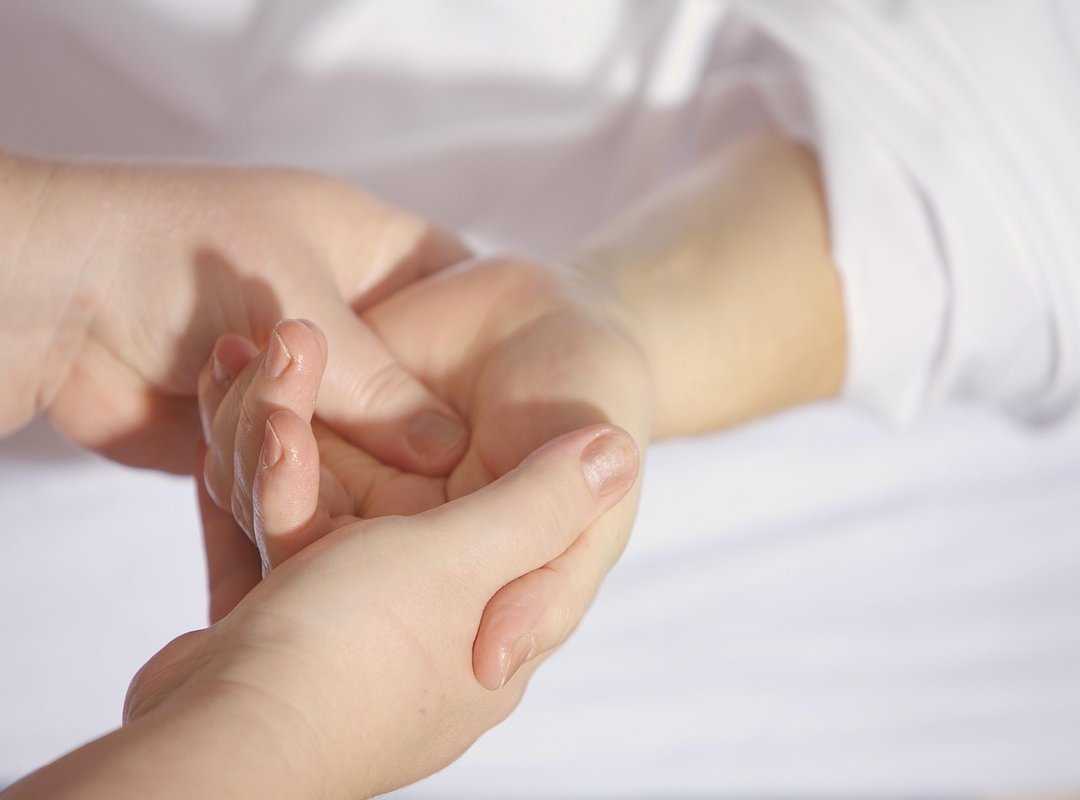
I used to skip rest days like they were optional. Spoiler: they’re not.
Muscle growth doesn’t happen in the gym. It happens while you sleep. While you walk.
While you do nothing.
That’s why recovery is Pillar 3 (and) the most ignored one.
Sleep is non-negotiable. I mean 7. 9 hours, every night. Not “when I get around to it.” Your body rebuilds muscle, balances cortisol, and resets testosterone during deep sleep.
Skip it, and you’re lifting against yourself.
Passive recovery means no movement. Just sleep. Or lying down with your eyes closed.
That’s it.
Active recovery means light movement (a) 20-minute walk, gentle stretching, foam rolling sore spots. Do this the day after heavy leg day. Not instead of sleep. With it.
You’ll know you’re overtraining when your body starts screaming. Four signs:
- You’re tired all the time.
Not sleepy, just drained
- Your lifts stall or drop for no reason
- You snap at people over nothing
4.
You lie awake even when you’re exhausted
If two of those hit? Stop. Take three full days off.
No exceptions.
I’ve pushed through that before. Woke up injured. Took six weeks to fix what one rest week would’ve prevented.
Want to know if you’re actually recovered (or) just pretending? Check your baseline. How to check body fitness thespoonathletic gives you real metrics, not guesses.
The Thespoonathletic Advice Guide by Theweeklyspoon isn’t about more reps. It’s about smarter pauses.
Recovery isn’t lazy. It’s strategic.
And if you’re not doing it right, you’re not progressing.
You’re just wearing yourself down.
Pillar 4: Your Mind Is the Real Gym
I used to think strength was just muscle. Then I missed a PR by two pounds. Not because my legs failed, but because my brain quit five seconds early.
Physical ability is only half the battle. The other half? Showing up mentally when it hurts.
That’s why I ditch outcome goals like “I will lose 10 pounds”. They’re useless on bad days. Instead, I set process-oriented goals: “I will not miss a workout this week.” Simple.
Controllable. Real.
Before every hard session, I close my eyes for 60 seconds and picture myself finishing strong. Breath steady, posture locked, no flinching. Not winning.
Just finishing.
It works. Try it before your next heavy set.
The Thespoonathletic Advice Guide by Theweeklyspoon backs this up with real athlete data. And if you want deeper mental prep tools, check out the Advice thespoonathletic provides boost termanchor page (it’s) where I stole half my pre-lift routine.
Your Blueprint Is Ready. Use It.
I’ve laid out the four pillars: Smart Training, Proper Fuel, Active Recovery, and a Strong Mindset.
No fluff. No theory. Just what moves the needle.
You’re not lost anymore. That fog of “What should I do next?”? Gone.
It wasn’t about doing everything at once. It was about knowing where to start.
Consistency beats perfection every time. Always has. Always will.
You don’t need to overhaul your life tomorrow. You need one real action (today.)
Pick Thespoonathletic Advice Guide by Theweeklyspoon. Open it right now.
Find one tip (just) one. From any pillar.
Do it for seven days. Not perfectly. Just done.
That’s how momentum starts.
That’s how stuck turns into strong.
Your turn. Start now.